Fifty riddles. One notebook. One school year.
The Money Code is a story about three friends trying to save their skate park — and a full-color guide to how money really works.
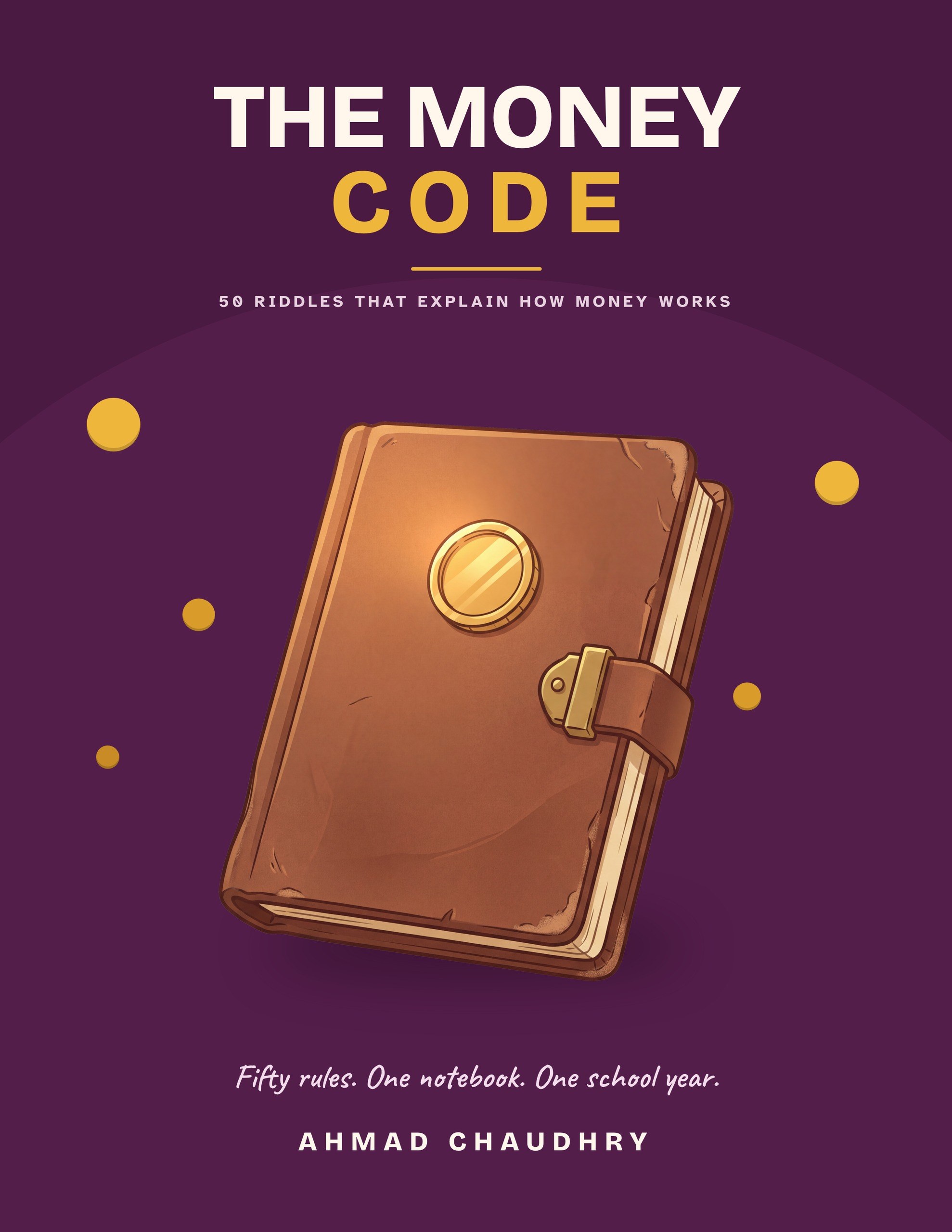
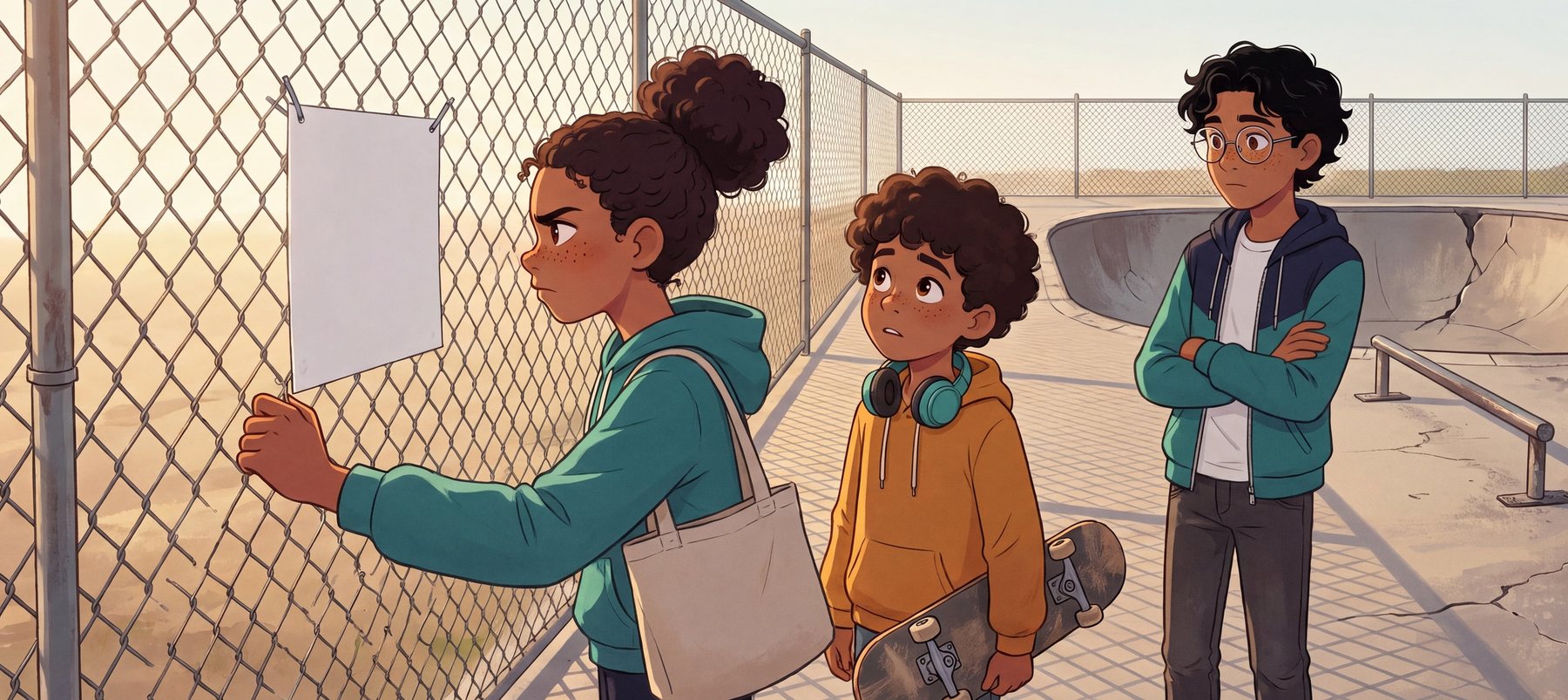
The sign goes up in September.
The Millbrook skate park closes on June 1 unless somebody raises $5,000. Maya, Jonah and Omar decide that somebody is them. What they don't expect is the notebook — worn leather, brass clasp, fifty riddles inside, and no name on it but two initials. Every riddle turns out to be a rule about money, and the only way to understand one is to live through it.
How every spread works
- #1
A riddle from the notebook
Every spread opens with one. It sounds like nonsense at first. By the end of the page, it doesn't.
- #2
The left page is the story
Something happens to Maya, Jonah or Omar, and it leaves a question hanging.
- #3
The right page answers it
In plain words, with real numbers and their sources, a true story from the world, and something to try yourself.
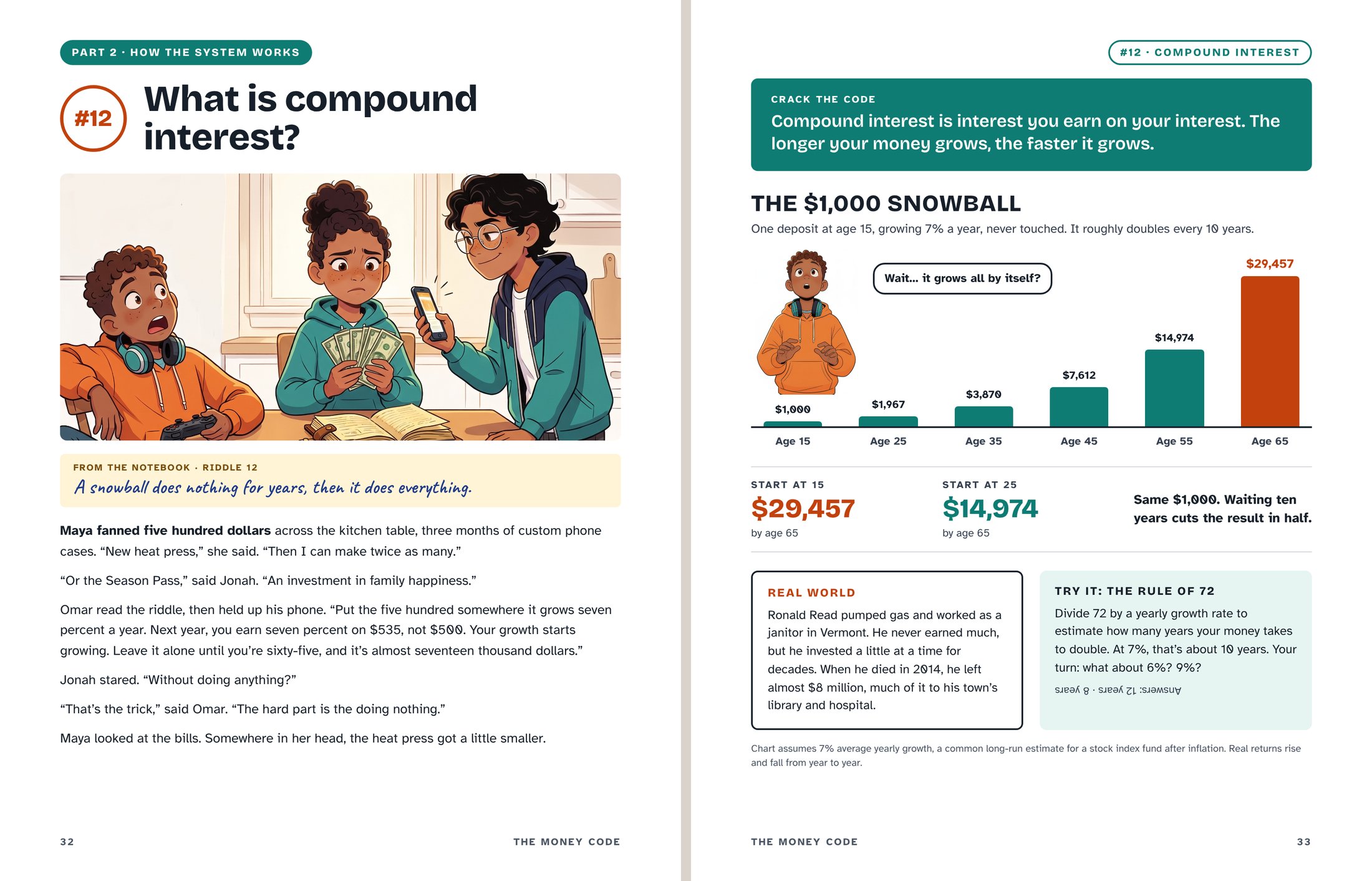
Riddle of the day
From the notebook · Riddle 12
A snowball does nothing for years, then it does everything.
Every spread starts with a riddle like this one. The answer is on the page.
Meet the three
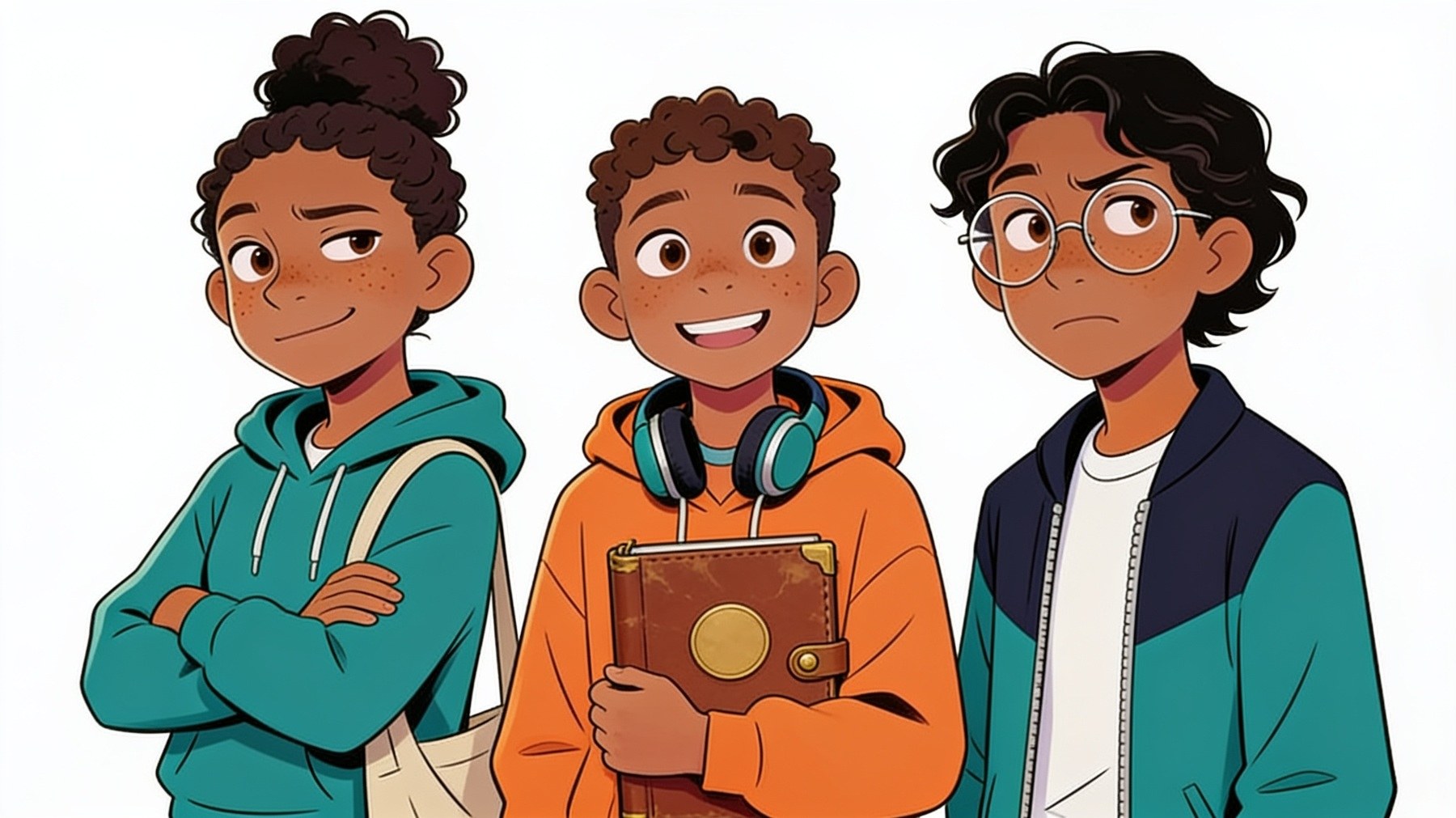
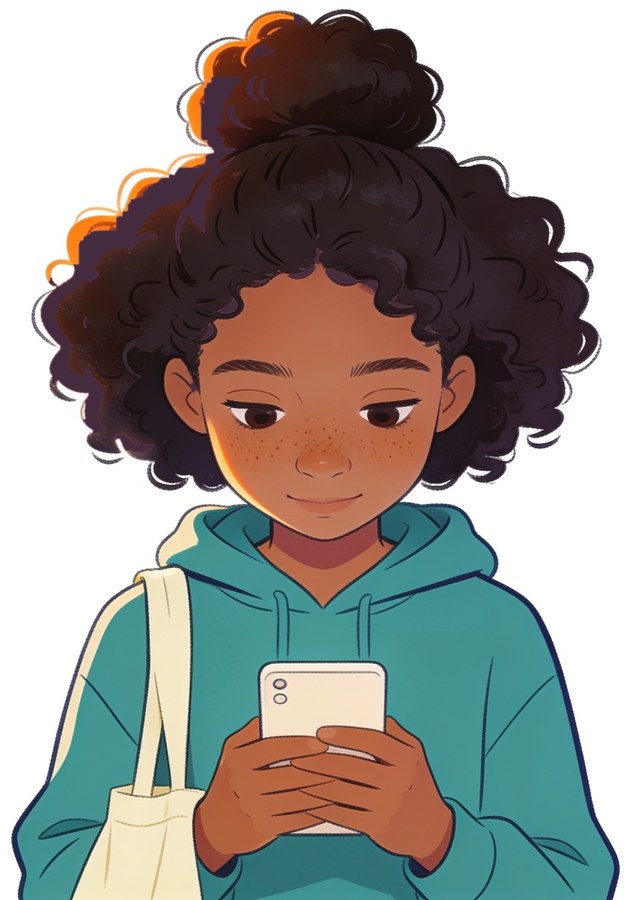
Maya, 13
Makes things and sells them. Decides first and works out the details later.
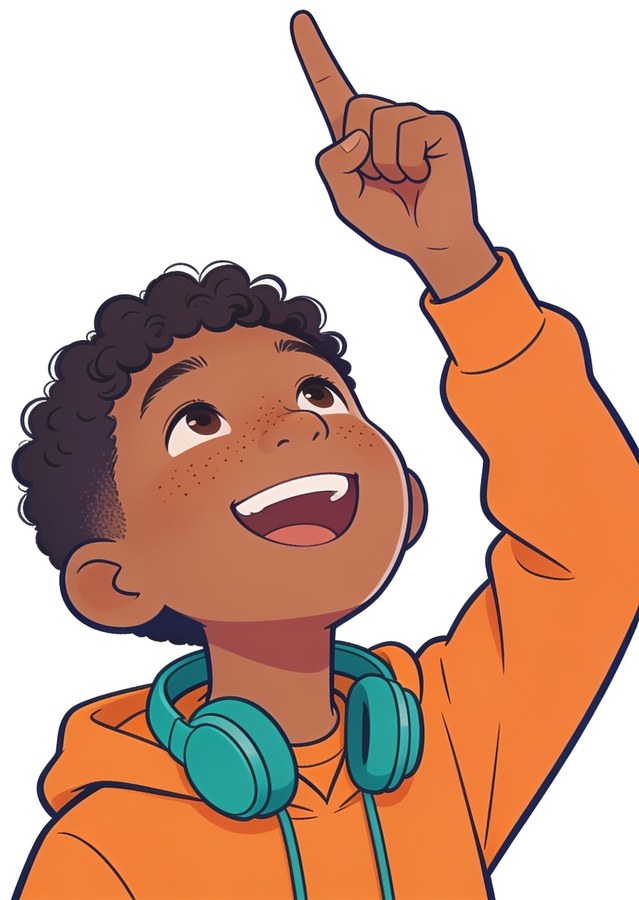
Jonah, 11
Maya's brother. Asks the question everyone else is too embarrassed to ask.
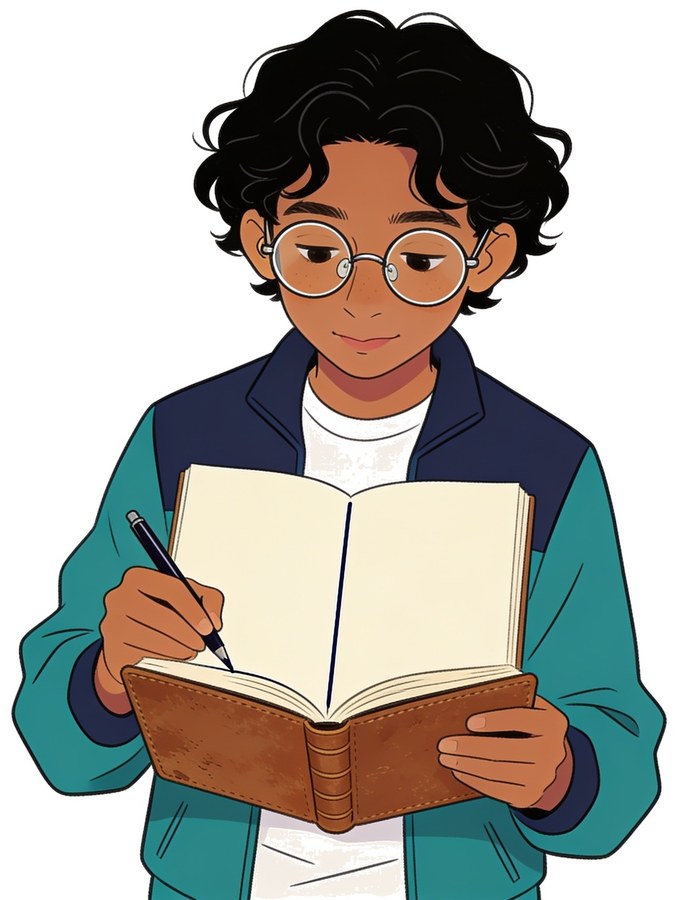
Omar, 14
Trusts numbers more than people. Usually right, occasionally insufferable.
What readers find out
- Why trading things stopped working, and where the first coins came from
- What makes a $20 bill worth $20 — and who decides how much money exists
- What banks really do with your deposits
- How compound interest snowballs
- Why prices rise, and when that is healthy
- How scams work, and how to spot them
- What it takes to start a business
- Why index funds beat guessing
- How money works around the world
Teaching money this year?
Every spread is a self-contained lesson with real figures, sources and an activity. Download the free teacher sampler — three complete lessons and a classroom activity.
Free printables for curious kids.
Riddle cards and money activities from the book, free for parents and teachers. Join the list and we'll send them over.